Kenya has urged African nations to adopt a unified and equitable approach to methane reduction that reflects the continent’s unique socio-economic realities and protects livelihoods.
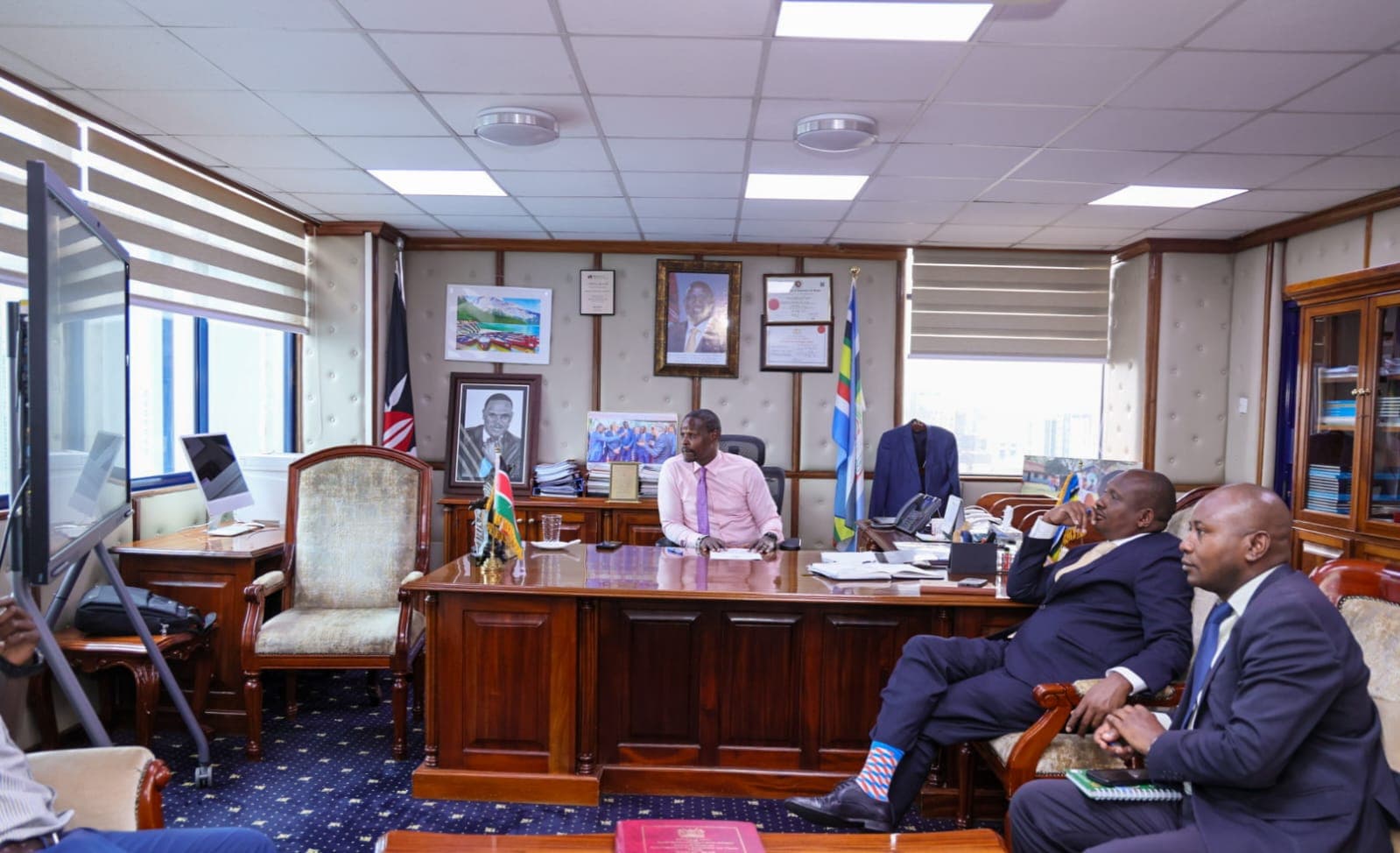
The call was made during a joint virtual session of the Senate and National Assembly held as part of the Regional Seminar for African Parliaments on Climate Action, convened by the Parliament of Kenya in partnership with the Inter-Parliamentary Union and Climate Parliament.
Speaking during the session, Principal Secretary, Ministry of Environment, Climate Change and Forestry, Dr. Eng. Festus K. Ng’eno, MIEK, CBS, emphasized the urgency of methane reduction while cautioning against climate policies that could undermine food security and poverty eradication efforts.
“Methane is the climate question of this decade,” Dr. Ng’eno said, highlighting the significant contribution of methane to global warming. He stressed that Africa contributes only a small share of global greenhouse gas emissions while experiencing disproportionate impacts, including droughts, floods, food insecurity, and displacement.
Kenya’s methane emissions are largely associated with livestock and waste, with livestock emissions, particularly from enteric fermentation, accounting for the majority of the country’s methane output. The PS cautioned against viewing reductions in emissions caused by climate-induced livestock losses as climate progress.
“That is not a climate success. That is a climate emergency,” he noted, referring to the sharp reduction in emissions during the devastating 2022 drought.
Dr. Ng’eno emphasized that methane mitigation must be guided by equity and must not threaten the livelihoods of pastoralists, smallholder farmers, and rural households. He called on African parliaments to strengthen legislation, climate finance advocacy, technology transfer, and regional cooperation.
Kenya is pursuing practical methane reduction measures, including improved livestock productivity, increased adoption of biogas, clean cooking solutions, and improved waste management. The country has installed more than 21,000 household biogas digesters since 2009 and is targeting 80,000, while implementing the National Cooking Transition Strategy and advancing ecosystem restoration through the Presidential 15 Billion Trees initiative.
The three-day seminar provides an important platform for African legislators to develop a common parliamentary position on methane emissions and ensure that climate action remains aligned with sustainable development and the needs of African communities.